
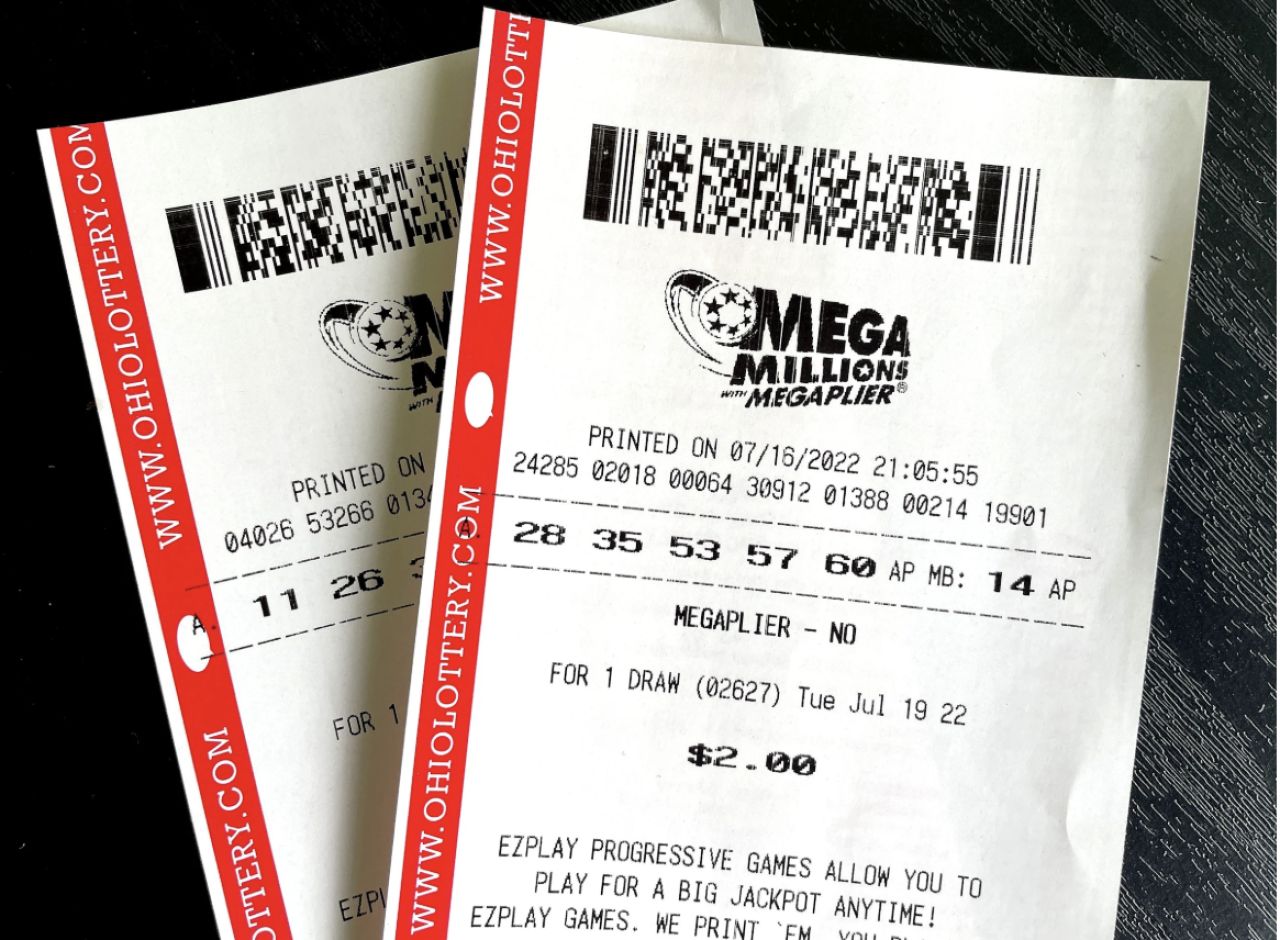
A $12.8 million lottery ticket has turned into a full-blown courtroom showdown in Arizona — and it all started at a Circle K in Scottsdale.
Here’s the wild part: the ticket was printed on November 24 after a customer asked for $85 in lottery plays — but only paid for $60. That left some tickets unpaid, including one for “The Pick.” That exact ticket ended up matching the winning numbers later that night.
But no one had actually bought it.
So… Was the $12.8 Million Ticket Ever Really Sold?
According to Arizona Lottery rules:
-
If a ticket is printed but not paid for, it belongs to the retailer.
-
In this case, that would mean Circle K.
The winning ticket sat in the store when the numbers were drawn. It wasn’t officially purchased at the time of the drawing — and that’s where things get complicated.
Circle K’s lawsuit leans heavily on that rule.
Enter the Store Manager
The next morning, store manager Robert Gawlitza found out the winning ticket had been generated at his location.
Here’s what happened next:
-
He clocked out of his shift.
-
Took off his uniform.
-
Had another employee ring him up.
-
Bought the remaining tickets for $10.
One of those tickets? The $12.8 million winner.
Now the big question: Was that move legal?
Arizona Lottery rules don’t specifically ban employees from buying tickets. They also don’t clearly address this exact situation — where a ticket wasn’t sold before the drawing but was purchased afterward.
Even more interesting:
-
The complaint doesn’t clearly say whether Gawlitza bought all $25 worth of remaining tickets or just the winning one.
-
Each row of numbers costs $1.
-
Players can add “EZ Match” for an extra $1 per play for smaller prize opportunities.
There’s still a lot that hasn’t been clarified.
Does Signing the Ticket Make You the Owner?
After buying it, Gawlitza signed the back.
Under Arizona law:
-
The person whose signature is on the ticket is generally considered the owner.
-
Until it’s signed, whoever physically holds it controls it.
But ownership also depends on whether the ticket was properly sold and validated.
At some point, Circle K regained possession of the ticket and secured it. It’s unclear how they got it back.
Now the court has to answer a tricky legal question:
Can someone legally claim a ticket that wasn’t officially sold before the drawing?
Arizona law doesn’t clearly spell out what happens in a situation like this — and lottery officials say they haven’t seen a similar case before.
What Happens Next?
The jackpot winner has 180 days to claim the prize.
Since the drawing happened on November 24, the deadline to claim the money is May 23, 2026.
Here’s where things stand:
-
Circle K filed a complaint on February 17.
-
As of February 26, no hearings had been scheduled.
-
The company isn’t directly asking the judge for the money — just a ruling on who legally owns the ticket.
If the court decides the ticket belonged to Circle K from the start, the company could then argue it should receive the $12.8 million prize.
Bottom Line
This isn’t just a lucky lottery story — it’s a rare legal battle that could set a precedent in Arizona.
💰 A ticket worth $12.8 million
🧾 Printed but not paid for
🧑⚖️ Now headed to a judge
And until the court decides, that jackpot is sitting in limbo.
Login