
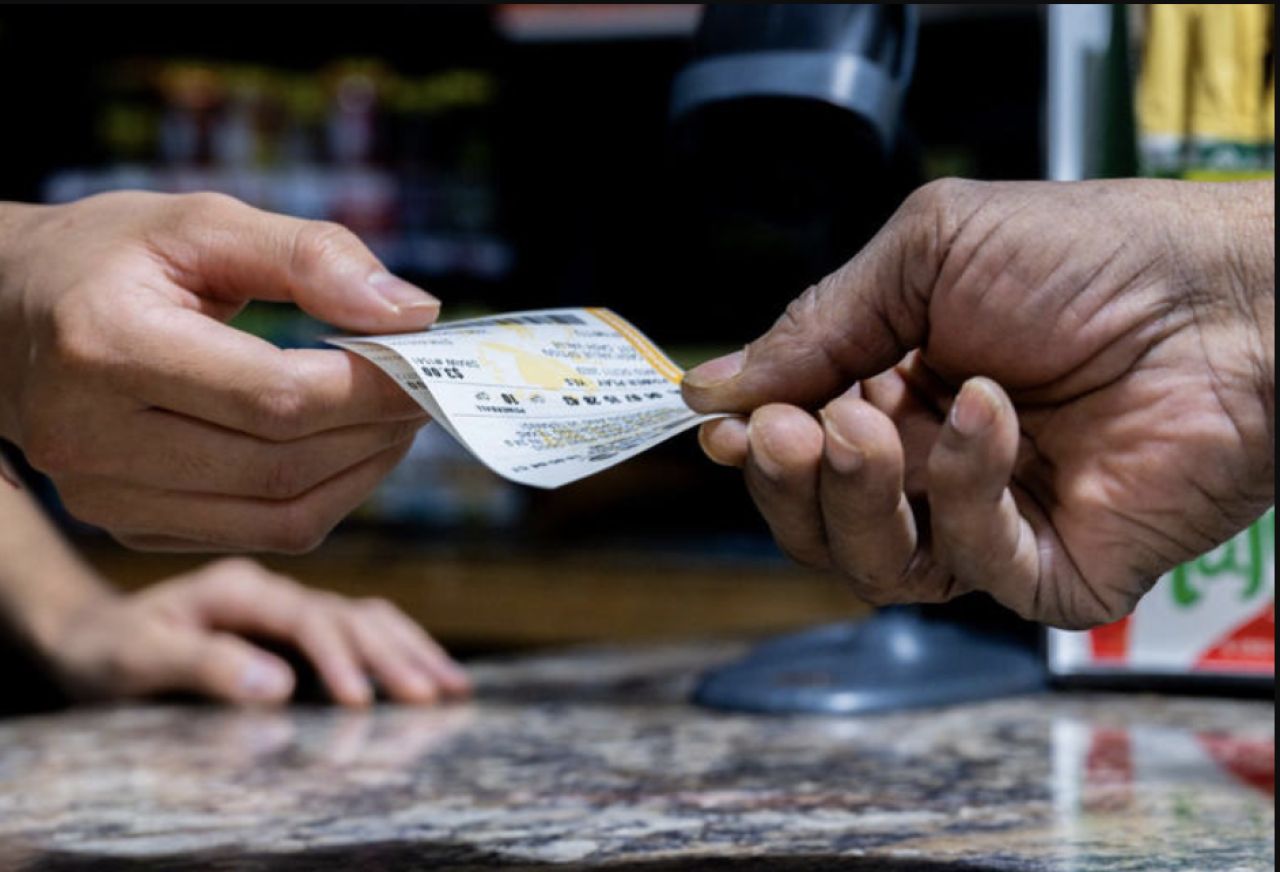
A legal battle over a massive Arizona lottery prize is turning heads as a judge prepares to decide who really owns a $12.8 million jackpot ticket — the store manager who bought it or the Circle K company itself.
The winning “The Pick” ticket was sold at a Circle K store in Scottsdale, Arizona, near 56th Street and Bell Road. But according to court filings, the jackpot story is anything but simple.
Here’s where things get interesting:
- A customer reportedly wanted $60 worth of lottery tickets.
- A clerk accidentally printed an extra $25 worth.
- Those leftover tickets were never sold and stayed behind the counter.
The next day, store manager Robert Gawlitza allegedly discovered that one of those unsold tickets matched the winning numbers. After clocking out and changing out of his work uniform, he reportedly bought the remaining batch of tickets for just $10.
Now Circle K is fighting back in court.
The company claims Arizona lottery rules clearly state that mistakenly printed or abandoned tickets still belong to the retailer. Because of that, Circle K argues the jackpot should legally belong to the corporation — not the manager who later purchased the tickets.
Circle K has filed a lawsuit against both Gawlitza and the Arizona Lottery, asking the court to officially decide who owns the winning ticket.
An attorney familiar with lottery-related cases, though not involved in this one, said the case may come down to one key question: Did the manager already know the ticket was a winner before buying it?
“It’s clear through the rules that the tickets belonged to Circle K after they were printed out the night before,” attorney Josh Kolsrud reportedly said.
The Arizona Lottery also acknowledged how unusual the case is, saying there appears to be no previous legal dispute quite like this involving the state lottery.
A judge in Maricopa County is expected to issue a ruling on May 15, 2026. The decision could become an important example for how lottery retailers handle misprinted, forgotten, or leftover tickets in the future.
One ticket. One jackpot. Two sides claiming ownership.
Now, the court will decide who walks away with the millions.
Login