
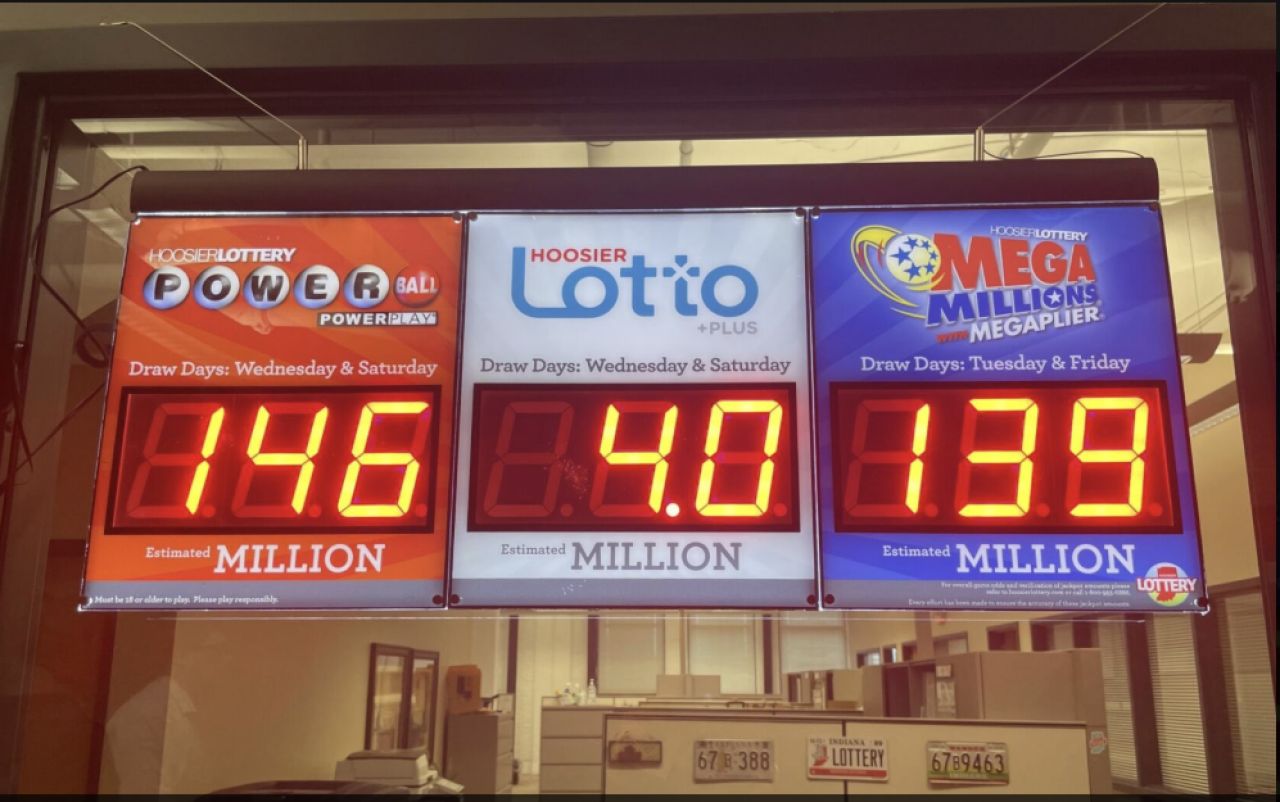
🎟️ Lottery Sales Are Skyrocketing
From fiscal 2008 to 2024, lottery ticket sales across the U.S. nearly doubled—jumping from $52.8 billion to $104.7 billion. That’s a massive surge in popularity.
And with more tickets sold, prize payouts also climbed fast:
- 💰 Up 118% to about $70.2 billion
- Bigger jackpots = more players jumping in
💸 States Are Making More—But Keeping Less
Even though total revenue grew, states aren’t holding onto as much as they used to.
- Net lottery revenue rose from $20.6 billion to $34.5 billion (a 68% increase)
- But the share states kept dropped:
- 2008: 39% of ticket sales
- 2024: 33% of ticket sales
👉 In simple terms: more money is flowing in, but more is also going back out to winners.
🏆 Which States Pay Out the Most?
Some states are especially generous when it comes to prize payouts:
- Virginia led the pack, giving back about 80% of ticket sales
- Kentucky followed with 75%
- Missouri, Massachusetts, and Idaho each paid out around 74%
🌎 Where Lottery Sales Are the Biggest
Unsurprisingly, the states bringing in the most money are also the most populated:
- California
- New York
- Florida
- Texas
Each of these states sold over $8 billion in lottery tickets in fiscal 2024.
Meanwhile, newer lottery states like:
- Arkansas
- Wyoming
- Mississippi
…combined for a smaller but still notable $1.1 billion in sales.
📜 A Quick Look Back
Lotteries weren’t always this popular. In fact, they were mostly banned in the 1800s due to scandals and moral concerns.
Things changed in 1963, when New Hampshire brought them back. Since then, lotteries have spread across the country and become a major way for states to raise money—without raising taxes.
That funding often goes toward:
- 🎓 Education
- 🛣️ Infrastructure
- Other public programs
🚫 States Without Lotteries
Not every state is on board. These five still don’t offer lotteries:
- Alabama
- Alaska
- Hawaii
- Nevada
- Utah
⚡ The Bottom Line
- Record-breaking ticket sales
- Huge prize payouts
- States earning more overall—but keeping less
It’s a balancing act between attracting players with bigger prizes and generating revenue for public use—and right now, the prizes are winning that tug-of-war.
Login