
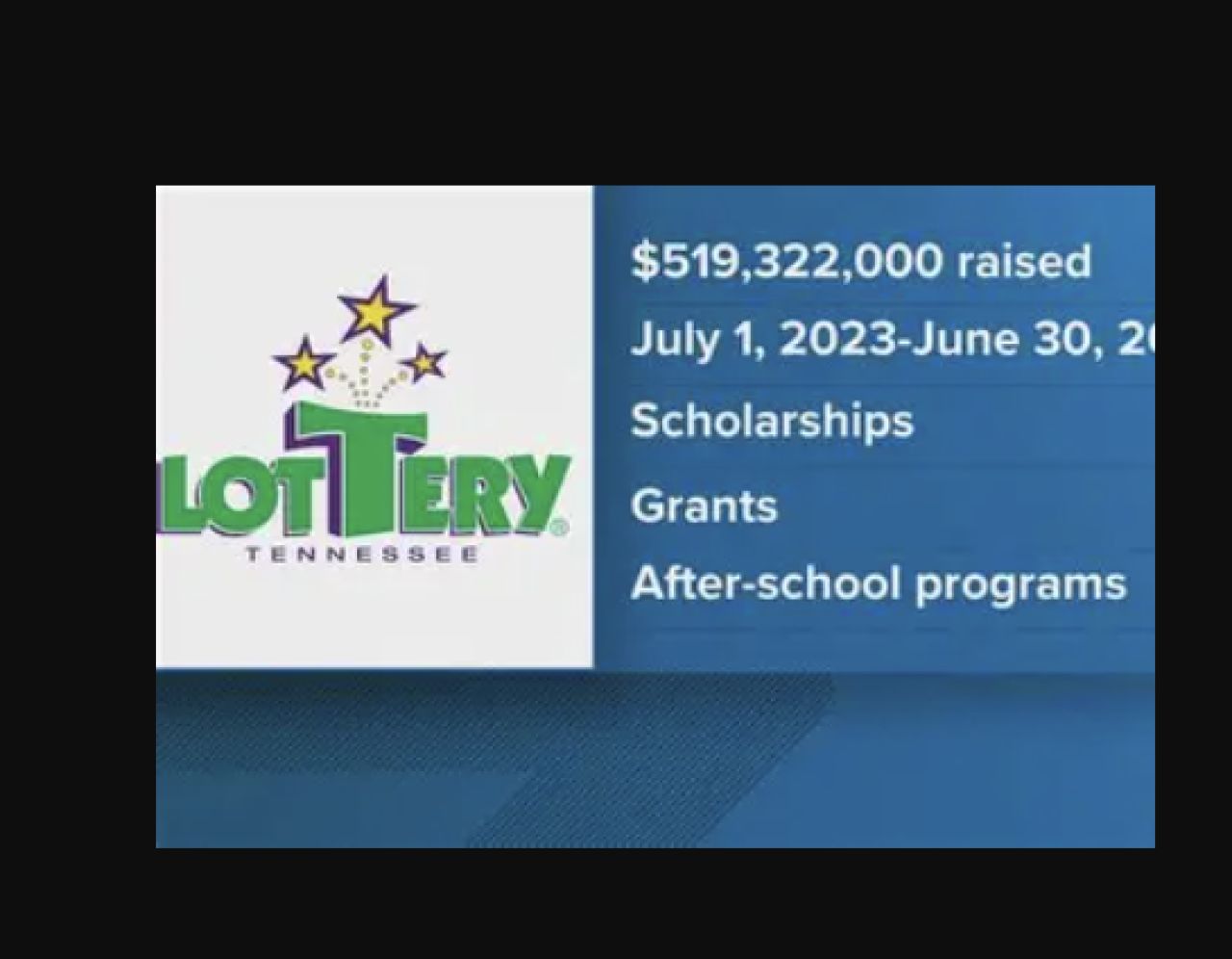
According to ThinkTennessee, spending on lottery-funded scholarships surpassed net lottery proceeds during fiscal year 2025. The report also found that inflation-adjusted lottery proceeds dropped about 22% over the past three years, while both scholarship enrollment and state spending continued to rise.
Programs backed by lottery funds include:
- HOPE Scholarship
- Dual Enrollment Grant
- Tennessee Reconnect
ThinkTennessee Research Director Chris Candelaria said the state has a nationally recognized scholarship system covering 13 programs, but it is now dealing with a growing funding shortfall.
A major reason for the higher costs is simple: more students are using the programs. As demand has increased, the number of scholarship recipients has grown, pushing overall spending higher.
Tennessee also relies more heavily on non-tax funding for higher education than many other states. In fiscal year 2025, it was one of just five states where sources such as lottery revenue made up more than 15% of total higher-education funding.
Scholarships Aren’t in Immediate Danger
Despite the funding gap, Tennessee students are not facing an immediate threat of losing their scholarships.
Sports betting tax revenue helped cover much of the shortfall last year and even produced a surplus. Beginning July 1, lawmakers redirected most of that money toward K-12 school maintenance and construction.
However, sports-wagering revenue can still be used to cover scholarship costs if lottery proceeds come up short. That provides a financial safety net for students, although it could mean less money is available for school construction projects.
Lottery Sales Show Some Improvement
There is also a positive sign for the Tennessee Education Lottery. Although sales declined during fiscal year 2025, they increased in fiscal year 2026. So far this fiscal year, sales are up 3.5% compared with the same period last year.
The bigger question is whether that growth will be strong enough to keep up with rising scholarship expenses.
ThinkTennessee projects that scholarship spending could remain higher than lottery proceeds through 2030. Still, officials emphasized that these are projections and could change as conditions evolve.
The Tennessee Higher Education Commission also expects a possible funding gap in future years. Legislative education leaders have asked the agency to review the state’s lottery scholarship programs and provide recommendations later this year.
For now, officials say there is no reason for students to panic.
The goal of the report is not to call for scholarship cuts, but to give state leaders time to figure out how Tennessee can sustainably fund these programs in the years ahead.
Login