
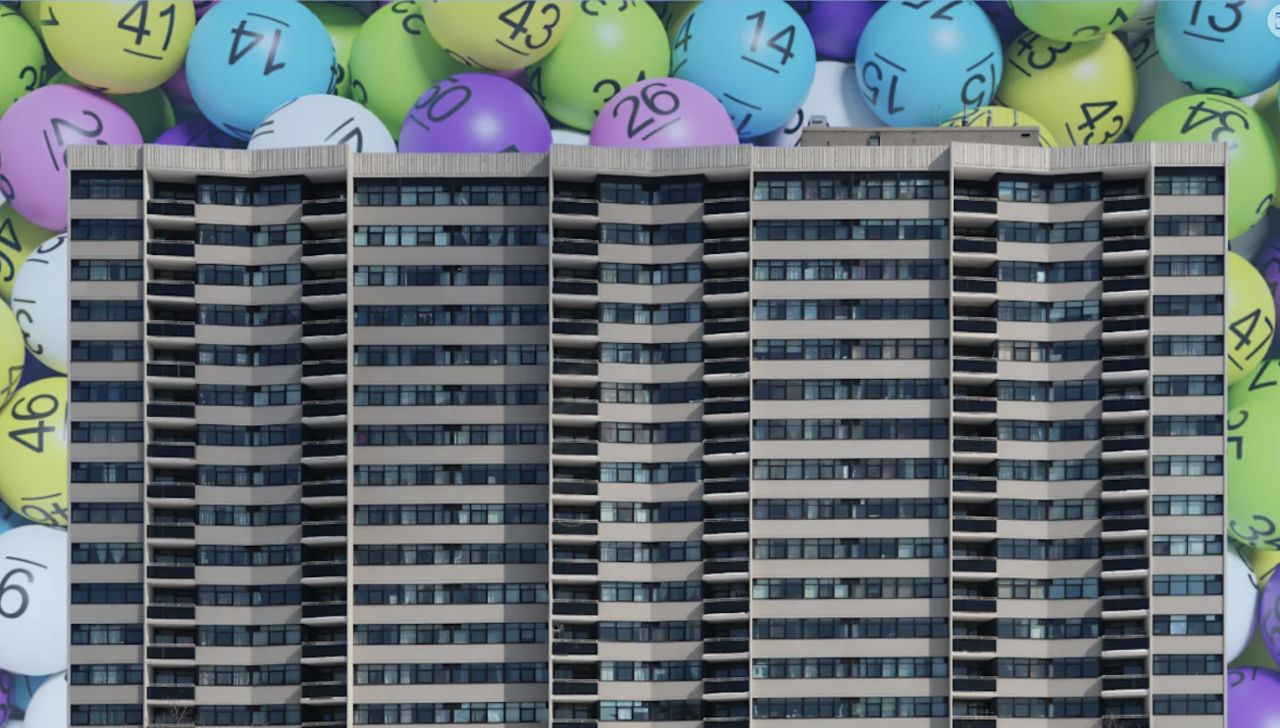
Toronto Affordable Housing Lottery Leaves Some Renters Feeling Pressured
Winning an affordable housing lottery sounds like a dream in a city where rent keeps climbing. But for one Toronto renter, the experience quickly turned from excitement into stress.
Anna Belayev, who works in social services, was thrilled when she was selected for a one-bedroom apartment in a newly built Etobicoke rental property through Toronto's affordable housing lottery. The unit was priced at about $1,670 per month—well below Toronto's average one-bedroom rent of $2,246 during the first quarter of 2026.
What seemed like a great opportunity came with unexpected challenges:
- Utilities were not included.
- Tenant insurance was required.
- The apartment could not be viewed before signing the lease.
- Deadlines to submit paperwork were extremely tight.
Belayev, who receives long-term disability income, said she felt pressured to act quickly. Because the building was close to public transit and offered one of the few housing options that fit her needs, she worried that passing on the opportunity could be a mistake.
"I panicked and thought I shouldn't miss this opportunity," she said.
She eventually signed the lease and paid a last month's rent deposit more than a month before her scheduled move-in date. However, she later found another apartment that better fit her budget and allowed her to tour the unit beforehand.
When Belayev asked to cancel the lease and recover her deposit, she said she received mixed messages. One representative reportedly told her it would not be an issue, while another later informed her that the deposit would not be refunded under the lease terms.
"The amount I gave them is significant for me and peanuts for them," Belayev said.
Minto Group, the property's management company, disputed some of her concerns. The company said floor plans and photos are provided to all applicants and that lease terms, including utility responsibilities, are clearly outlined. Minto also explained that quick turnaround times are necessary because many families are waiting for affordable housing opportunities.
Belayev's story highlights a larger issue within Toronto's affordable housing system. Even when applicants successfully secure a unit, the process can feel confusing, rushed, and financially challenging.
Huge Demand, Limited Supply
The demand for affordable housing in Toronto remains overwhelming.
At a recent affordable housing lottery managed by Toronto Community Housing, just 35 rental units attracted 5,932 applications. That works out to nearly 170 applications for every available home.
Officials say the lottery system is designed to be fair and transparent, preventing favoritism and eliminating the chaos of first-come, first-served applications. Applicants are informed about costs and eligibility requirements before moving forward.
Still, the system creates a difficult reality for renters. While applicants may wait months for lottery results, they often continue searching for housing in the meantime. Many sign leases elsewhere or face major life decisions before ever hearing back.
That's the challenge of Toronto's rental lottery: when an opportunity finally arrives, renters are expected to move fast—even after spending weeks or months waiting for a response.
Login