
VAR Confusion Grows as Inconsistent Calls Leave World Cup Fans Frustrated
The debate over VAR at the World Cup isn't slowing down. Instead of making decisions clearer, a series of controversial calls has left players, coaches, and fans wondering when the video officials will actually step in.
Big Talking Points
- Ghana were denied a penalty against England despite a strong appeal.
- Brazil had a goal ruled out after a questionable foul decision.
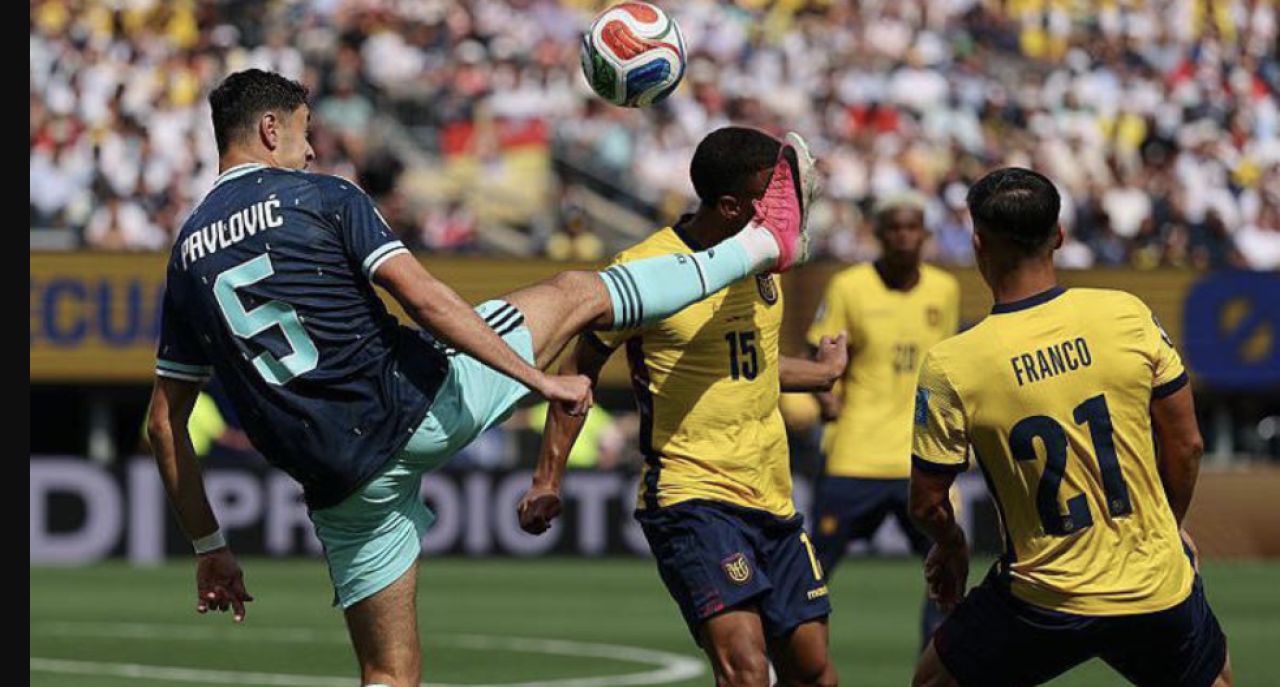
- Germany's opening goal against Ecuador stood despite what many believed was an obvious high-boot foul.
The numbers suggest VAR is being used almost as often as it is in the Premier League. The World Cup is averaging 0.28 interventions per match, nearly identical to the Premier League's 0.29. Referees are also being sent to the monitor at a similar rate.
So why all the criticism?
The biggest issue isn't how often VAR is used—it's the lack of consistency. FIFA's head of referees, Pierluigi Collina, has emphasized allowing more physical play to keep matches fast and flowing. That approach also raises the threshold for VAR to overturn on-field decisions, making reviews less predictable.
Other competitions, like the UEFA Champions League, use a much lower threshold for intervention. With nearly 0.47 VAR reviews per game, officials are more willing to get involved, especially on handball decisions, creating a more consistent expectation for players and fans.
Controversial Moments Spark Debate
Ghana manager Carlo Queiroz joked that "VAR went for a coffee" after his team's penalty appeal against England was ignored following Ezri Konsa's challenge on Prince Kwabena Adu.
Brazil also found themselves on the wrong side of VAR when a goal was disallowed after Vinicius Jr. was ruled to have fouled Jack Hendry. Many felt the contact wasn't enough to erase the goal.
Germany's loss to Ecuador added even more confusion. Leroy Sane's early goal counted despite Alexandar Pavlovic appearing to catch Pedro Vite with a high boot before the play developed. Many former players and officials believed VAR should have stepped in.
Later in the same match, Germany were initially awarded a penalty, only for VAR to overturn it because of an earlier foul near midfield. While that review itself seemed reasonable, it only highlighted the inconsistency after the earlier high-boot incident had been ignored.
Are the Biggest Teams Benefiting?
So far, very few subjective VAR decisions have gone against tournament favorites. Brazil's disallowed goal and Germany's overturned penalty are among the rare exceptions.
France also sparked debate after Kylian Mbappe was denied a penalty against Senegal. Although VAR recommended a review, the referee chose not to award the spot kick, leaving many questioning the final decision.
The Bigger Challenge
VAR was introduced with one clear goal: minimum interference, maximum benefit. But that philosophy only works when referees consistently make the right calls on the field.
Right now, the biggest problem isn't the technology—it's the unpredictable way it's being applied. As the tournament continues, FIFA's officiating team faces growing pressure to deliver the consistency that players and fans expect.
Login