
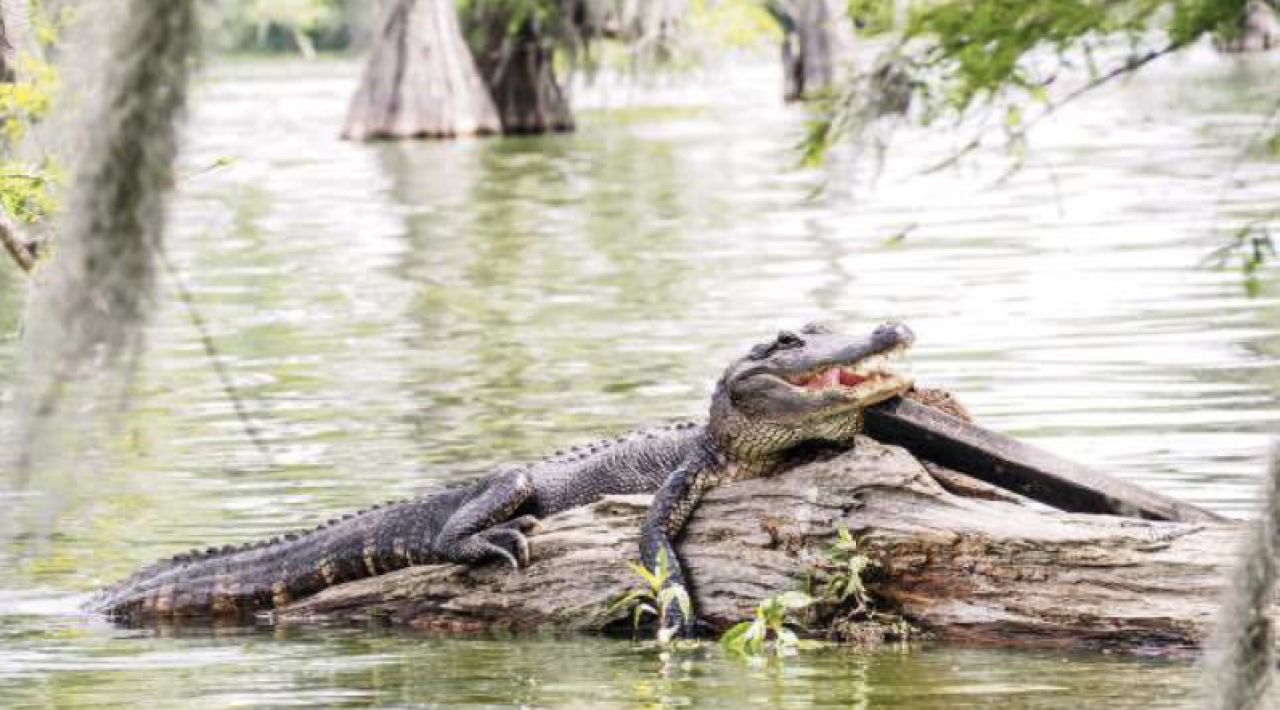
Louisiana is taking a major step toward bringing back recreational alligator hunting for the first time since 1962. A new state lottery could give thousands of residents the chance to hunt alligators this October.
The program is being introduced after decades of population growth. Louisiana now has an estimated up to 3 million alligators, a dramatic increase from fewer than 100,000 in the 1950s.
Here’s what to know
The Louisiana Department of Wildlife & Fisheries plans to offer as many as 5,000 recreational hunting spots. Each selected hunter could receive up to two tags, potentially allowing for 10,000 alligators to be harvested.
The program is limited to Louisiana residents who have:
- A basic hunting license
- A recreational alligator hunting license
- A lottery-selected permit
The first lottery application period has already closed.
Why is Louisiana bringing it back?
Alligator numbers once dropped sharply because of heavy harvesting. The state completely banned alligator hunting from 1962 through 1972 before eventually allowing carefully controlled commercial hunting for meat and hides.
Today, commercial harvesting remains a major industry, with roughly 24,000 alligators harvested each year and the industry valued at around $250 million.
With the population now thriving, officials are looking at recreational hunting as another way to manage the growing numbers.
The hunt comes with strict rules
This won't be an anything-goes hunt. The state is putting several restrictions in place to keep the program tightly controlled.
Hunters can use only hook-and-line equipment or a snatch hook. Once an alligator is caught, it must be killed immediately with a shot between the eyes.
Other restrictions include:
- No shooting free-swimming alligators
- No nighttime hunting
- Tags cannot be sold, transferred, or given away
- The selected permit holder must stay present throughout the hunt, even when other people are helping
What does it mean for Louisiana?
A growing alligator population can create more encounters between people and wildlife, particularly around waterways, fishing spots, and residential areas. Louisiana is presenting the lottery as a controlled wildlife-management program, rather than opening the door to unrestricted hunting.
Officials will likely continue monitoring alligator populations to see whether the recreational hunt has any meaningful effect or simply supplements the state's existing commercial harvest.
Louisiana's alligator comeback is a major conservation success. Now, the challenge is figuring out how to manage that success while balancing public safety, the economy, and the health of the ecosystem.
Login